Stronger Neighborhoods, Powered From Within
Listening Before Leading
Street-Level Asset Mapping
Map people’s skills, informal roles, and cultural assets with respectful curiosity. Instead of starting from scarcity, list what is abundant: the barber who mentors teens, the seamstress who teaches repairs, the retiree who tracks birds. Pair tangible assets like vacant lots and community kitchens with social ones like neighbor trust and youth creativity. Publish the map locally so everyone can see themselves in it and suggest additions, corrections, and connections that spark action without waiting for outside permission.
Trusted Conveners and Social Glue
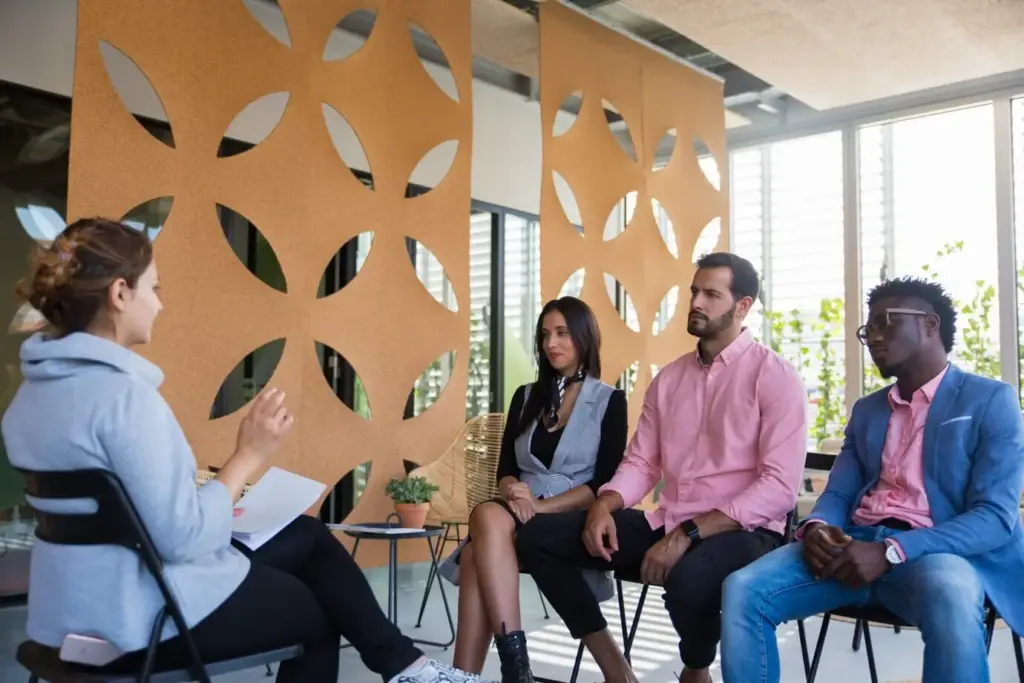
Every neighborhood has connectors who can gather people across differences. Identify them early and support their calendars, stipends, and wellbeing. A beloved crossing guard once filled a school gym for a planning night because families trusted her word more than any flyer. Invite connectors to co-facilitate, translate expectations into everyday language, and surface quiet voices. When conveners feel respected and resourced, attendance grows, conflicts soften, and collaboration becomes a habit instead of a special event requiring extraordinary effort.

Skills That Multiply Impact
Inclusive Governance Structures

Open, Rotating Leadership
Transparent Decision Records
Guardrails Against Burnout and Capture
Local Enterprise and Circular Economies

Neighbor-to-Neighbor Supply Chains
Community Ownership Vehicles
Funding That Follows Trust

Participatory Budgeting in Practice
Blended Capital Without Mission Drift
Measuring Value Beyond GDP
Community Journals and Story Circles

Shared Dashboards, Simple and Open

Rituals That Celebrate Small Wins

All Rights Reserved.